
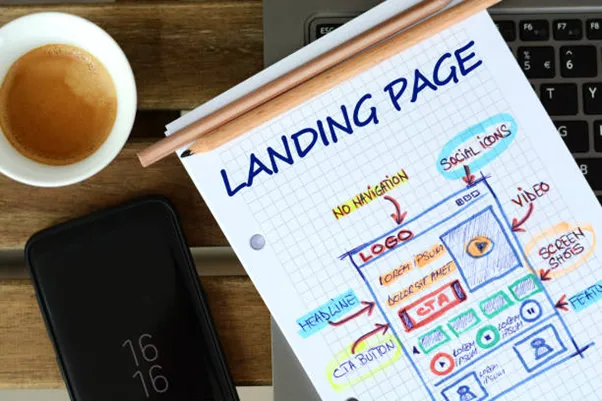
What is the first thing your potential clients see when they visit your website? That’s right, the landing page — it’s a critical yet often overlooked part of your communication with visitors. However, with proper planning and technology, you can create one of the most effective marketing tools for any business. Here is what you need to understand about a landing page.
What Is a Landing Page?
A landing page is a web page designed to convert visitors into customers. The conversion process might be as simple as signing up for an email newsletter or entering some information into a form on the landing page. Still, it can also include more complex tasks such as purchasing or signing up for a service.
Why Do You Need a Landing Page for Your Law Website?
You need a landing page for your law website for several reasons. First, it’s simply good practice. Visitors expect it, and they’re likely to go elsewhere if they don’t see one. Second, the pages are easier to manage than the rest of your site.
They don’t have to be as dynamic or interactive since they’re not meant to be used for much other than collecting information from potential clients. Finally, the pages can help you stand out from other attorneys who don’t have them on their websites by making it easy for people to reach out to you directly.
How To Design an Effective Landing Page That Will Convert Visitors Into Clients?
Landing pages are highly effective at converting visitors, but they’re not easy to create. It’s all too easy for your landing page to have the opposite effect, turning visitors off and driving them away. So how do you design an effective landing page? Here are tips:
- Make it clear what you’re offering.
- Write a persuasive headline.
- Create easy-to-skim content.
- Use a call-to-action.
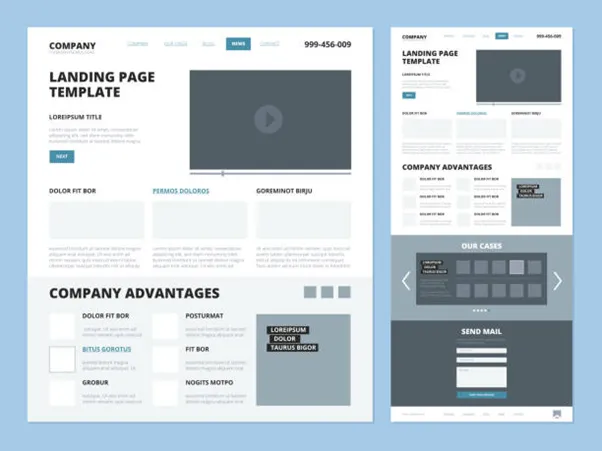
The Benefits of Using a Landing Page Over Other Types of Webpages
For your law firm website, a landing page is an important component that you need to have in place. But why? What is unique about this type of webpage? What makes it so different from other pages on your site? Here are some of the major benefits of using a landing page:
Dynamic Content
A landing page is designed to be more dynamic than other web pages because it’s intended to convert visitors into customers. When someone lands on your site from Google or social media, you want them to take action immediately — usually to make a purchase or subscribe to your email list.
Focused Messaging
The most important thing to remember when creating a landing page is to keep it focused on the offer or goal you are trying to achieve. Don’t clutter your page with extraneous information distracting from the main message.
One Call to Action
Your landing page should include one clear call-to-action (CTA). If you’re trying to get someone to sign up for emails or register for an event, make sure that’s the only CTA on your landing page, and don’t use more than one CTA at a time.
Easier To Measure ROI
Unlike other web pages, such as blogs or product descriptions, landing pages are designed specifically to convert visitors into customers — so they’re much easier to measure ROI on because there’s only one conversion goal.
Elements That Every Successful Landing Page Must Have
A law firm landing page is an important marketing asset for any law firm. It’s the first point of contact with potential clients, and it helps you build trust and credibility in your business. But what makes a good law firm landing page? The answer to that question depends on who you are and what your goals are, but there are some common elements that every great law firm landing page should have:
A Clear, Compelling Headline
The headline is the first thing visitors see when they land on your website. This is where you get one chance to make a good first impression. The headline should be clear and concise and clearly state what kind of service or solution you provide.
Video
People are likelier to trust a company with videos explaining who they are and what they do. A high-quality video will help potential customers understand why they should hire you over your competition.
Use Testimonials
Testimonials are another way to build trust with visitors by showing them that others have had positive experiences with your firm. Testimonials can be used as images in a blog post, social media posts, or standalone pages on your website (where appropriate).
Design and Layout
A good-looking website is important for any business, but it’s especially important for lawyers trying to attract new clients. Your site should have clear navigation and easy-to-read text that’s easy on the eyes.
Have a Strong Call to Action
The goal of a landing page is to get visitors interested in your firm, so make sure you direct them to something that will help them do this. For example, if you’re running a special offer on legal services, put up an image that links directly to that offer so they can take advantage of it immediately.
The purpose of the landing page is to “land” qualified leads who are interested in what you have to offer because they know that you can solve their problem(s) better than anyone else. The landing page will then direct the visitor to a form, whereupon you can entice them to provide contact information that you can use to reach out and begin a conversation with that individual or company. Get in touch with us today to have an expert build a great landing page.